
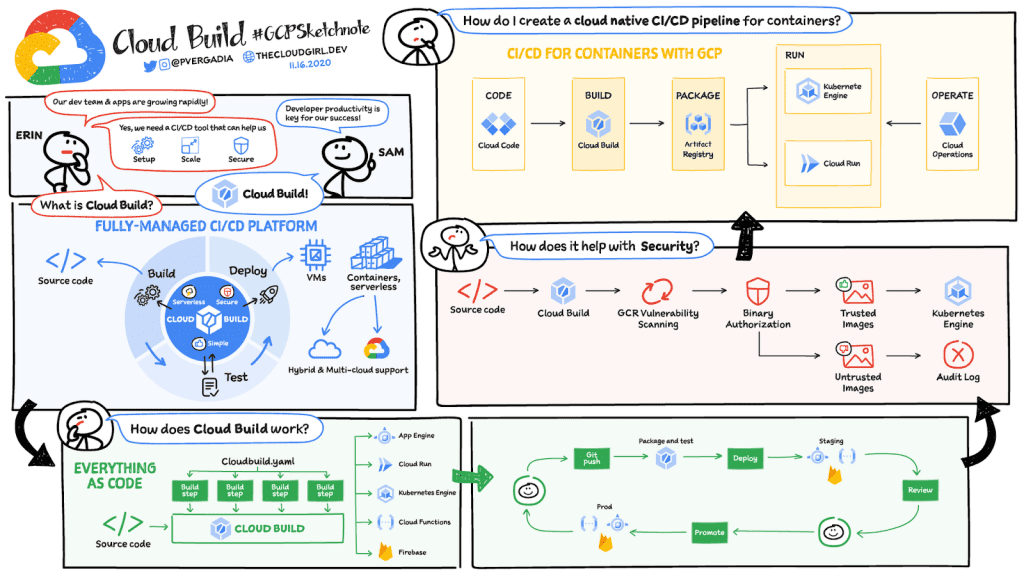
Guide to CI/CD on Developer Hosting Platforms
Continuous Integration and Continuous Deployment (CI/CD) are essential practices for modern software development. They allow developers to automate the process of building, testing, and deploying code, resulting in faster delivery of high-quality software. In this guide, we will explore how to implement CI/CD on developer hosting platforms.
What is CI/CD?
CI/CD is a set of practices that enable developers to deliver code changes more frequently and reliably. Continuous Integration involves automatically building and testing code whenever changes are made to a repository. Continuous Deployment, on the other hand, entails automatically deploying code changes to production environments after they have been tested and approved.
Choosing the Right Developer Hosting Platform
Before implementing CI/CD, it’s crucial to choose the right developer hosting platform. Popular options include GitHub, GitLab, and Bitbucket. These platforms provide integrated CI/CD tools that streamline the development process.
Setting Up CI/CD Pipelines
Once you have selected a developer hosting platform, it’s time to set up your CI/CD pipelines. This involves creating workflow scripts that define the steps to build, test, and deploy your code. Most hosting platforms offer built-in CI/CD tools that make this process easy.
Automated Testing
Testing is a critical component of CI/CD. Automated tests ensure that code changes do not introduce bugs or regressions. Integrating automated testing into your CI/CD pipeline will help catch issues early in the development process.
Deployment Strategies
There are several deployment strategies to consider when implementing CI/CD. Continuous Deployment involves automatically deploying code changes to production environments. Alternatively, you may opt for Continuous Delivery, where code changes are deployed to staging environments for further testing before being released to production.
Monitoring and Feedback
Monitoring is key to the success of CI/CD. By tracking metrics such as build success rates, deployment frequency, and code quality, you can identify areas for improvement in your CI/CD process. Feedback loops from users and stakeholders also play a crucial role in continuous improvement.
Best Practices
To ensure the success of your CI/CD implementation, consider the following best practices:
Automate everything: Automate as much of the development process as possible to reduce manual errors and save time.
Version control: Use version control systems to track changes to your codebase and collaborate with other developers.
Containerization: Docker containers can simplify the deployment process and make it easier to manage dependencies.
Conclusion
CI/CD is a powerful framework for accelerating software delivery and ensuring code quality. By implementing CI/CD on developer hosting platforms, you can streamline your development process, increase productivity, and deliver high-quality software to your users. Follow the tips in this guide to get started with CI/CD today.